


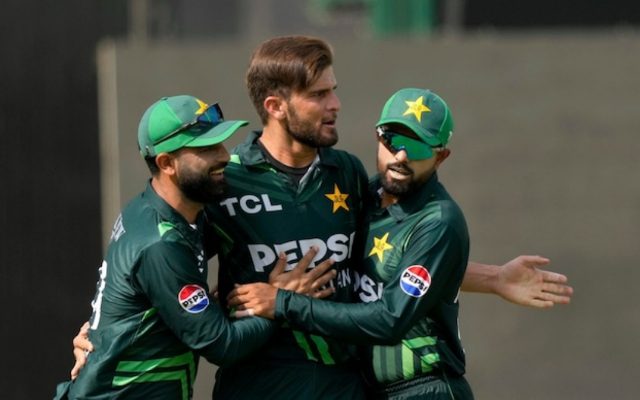
The highly anticipated India-Pakistan clash in the Champions Trophy presents Pakistan with a crucial chance to redeem themselves after their disappointing defeat against New Zealand. However, turning their fortunes around will require a comprehensive overhaul in both strategy and team composition.
Batting Concerns and Adjustments
One of Pakistan’s biggest concerns is their inconsistent batting lineup. The top order has been prone to early collapses, making stability a top priority. With Fakhar Zaman ruled out due to injury, the responsibility falls on Imam-ul-Haq to provide a solid start. His ability to build partnerships and anchor the innings will be crucial.
- The middle order has struggled under pressure and needs a more resilient approach.
- Mohammad Rizwan must step up, ensuring steady rotation of strike and capitalizing on scoring opportunities.
- Depending on pitch conditions, Saud Shakeel could be a valuable addition, adding much-needed stability.
- The batting order must remain flexible to counter India’s formidable bowling attack—rigid planning could prove costly.
Bowling Strategies for Success
To challenge India’s strong batting lineup, Pakistan must make key adjustments in their bowling approach. Taking early wickets will be non-negotiable, and Shaheen Afridi must spearhead the attack with an aggressive opening spell to unsettle India’s top order.

- The spin attack, often underutilized, should play a more decisive role. Pakistan must consider their most effective spinners based on pitch conditions.
- Beyond Afridi, the pace attack—featuring Haris Rauf and Naseem Shah—must consistently apply pressure to prevent India from accelerating.
- Death bowling needs significant improvement to curb India’s ability to score freely in the final overs.
- All-rounders like Faheem Ashraf can play a game-changing role, contributing in both departments.
Fielding and Mental Resilience
In high-pressure games like these, fielding can make all the difference. Pakistan must elevate their fielding standards, avoiding costly errors.
- Sharp catching, quick reflexes, and effective run-outs will be key.
- If fielding remains a weakness, team management should consider including players with proven agility.
Equally important is mental toughness. The psychological pressure of an India-Pakistan game is immense, and the team must maintain composure.
- Experienced players must step up, guiding the team through high-stakes moments.
- Staying calm and focused will be crucial in minimizing mistakes under pressure.
Key Player Battles to Watch
Several individual battles could define the outcome of this clash:
- Shaheen Afridi vs. Rohit Sharma – Can Afridi strike early to rattle India’s batting lineup?
- Pakistan’s spinners vs. India’s middle order – Who will dominate the middle phase of the innings?
- Babar Azam vs. India’s bowling attack – Pakistan’s captain will need to lead from the front.
Adapting to Dubai’s Conditions
Pakistan must tailor their game plan to suit the playing conditions in Dubai, ensuring adaptability and quick decision-making. Moreover, the psychological aspect of the rivalry cannot be ignored. The team management must ensure that players are mentally prepared for the high-pressure environment.
With Fakhar Zaman’s absence, a quick and effective response is necessary. The team must find the right balance between batters, bowlers, and all-rounders to maintain strength in all departments.
By implementing these crucial strategic shifts and personnel changes, Pakistan can significantly enhance their chances of overcoming India and regaining momentum in the Champions Trophy.
Get the latest cricket news here, like us on Facebook, and follow us on Twitter and Instagram for more such updates.