


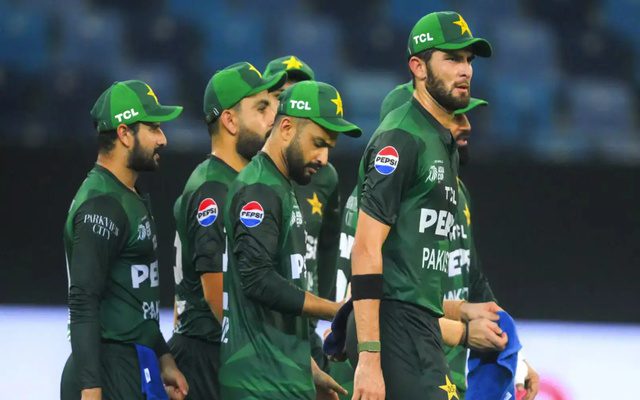
The possibility of Pakistan not playing its group-stage match against India in the T20 World Cup 2026 has triggered intense discussion around the financial impact of such a decision. The match, scheduled in Colombo, is regarded as one of the most valuable fixtures in world cricket because of the massive television audience and global commercial interest it attracts.
While Pakistan has confirmed participation in the tournament, the decision to stay away from this particular game could come at a heavy cost. The issue is not just about one match but about the wider financial ecosystem of international cricket and how such actions are viewed by the governing body.
Revenue Risks For The Pakistan Cricket Board
The Pakistan Cricket Board depends heavily on its share of revenue from the International Cricket Council’s global events. Under the current ICC revenue distribution cycle, Pakistan is among the boards that receive a substantial annual allocation, which supports domestic cricket, player payments, infrastructure development, and international commitments.
If Pakistan officially boycotts the India match, the board could face penalties from the ICC, including fines or a reduction in its revenue share. Such a move could translate into losses running into tens of millions of dollars over time. Experts believe that even a partial cut in ICC funding would put pressure on the PCB’s finances, forcing it to rethink spending on domestic tournaments, central contracts, and grassroots development.
Commercial Value Of An India-pakistan Clash
An India versus Pakistan match is often described as the biggest money-spinner in cricket. Broadcasters and sponsors pay premium amounts because the fixture guarantees record-breaking viewership across continents. If the match does not take place, the ICC and its broadcast partners are expected to suffer major advertising losses, as brands usually reserve their biggest campaigns for this encounter.
The absence of the game could also affect ticket sales, sponsorship activations, and overall tournament valuation. While these losses are spread across the cricketing ecosystem, Pakistan’s decision would likely be seen as a key factor, increasing the risk of stricter action by the ICC.
Long-Term Consequences And ICC’s Stance
Beyond immediate financial losses, a boycott could have long-term consequences for Pakistan cricket. The International Cricket Council has already made it clear that selective participation goes against the principles of international tournaments. If Pakistan is found to be in breach of tournament obligations during the ICC Men’s T20 World Cup, future hosting rights, influence within the ICC, and financial negotiations could also be affected. For the PCB, the situation highlights a delicate balance between political directives and the commercial realities of modern cricket, where one missed match can lead to far-reaching financial and administrative consequences.
Get the latest cricket news here, like us on Facebook, and follow us on Twitter and Instagram for more such updates.