


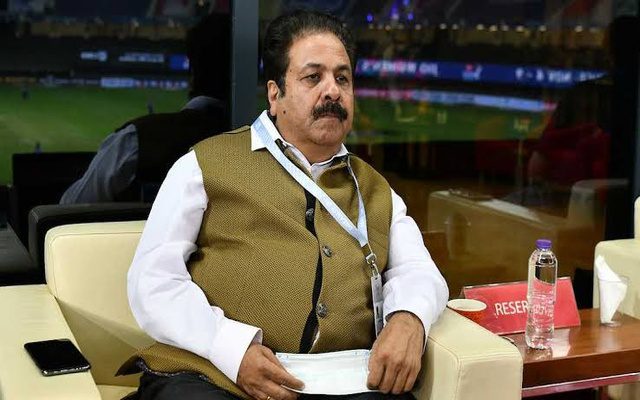
The Board of Control for Cricket in India (BCCI) has witnessed a sudden change in leadership. Reports suggest that Roger Binny, who was serving as the BCCI President, has stepped aside, and Vice-President Rajeev Shukla has now taken charge as the interim president. The transition came to light during the latest BCCI Apex Council meeting, where Shukla chaired the proceedings.
This development has sparked discussions within cricketing circles, especially with the board gearing up for its Annual General Meeting (AGM) and fresh elections in September.
Binny’s exit is believed to be connected to the structural norms of BCCI’s constitution, which sets specific tenure and age limits for office-bearers. Shukla, a veteran administrator with years of experience in cricket governance and politics, will oversee board affairs until the new president is officially elected.
Sponsorship Deals and Governance Challenges
One of the key agendas in the recent Apex Council meeting was the urgent requirement for a new lead sponsor for Team India. Dream11’s contract as the primary sponsor had come to an end, leaving the board in search of a replacement ahead of the upcoming Asia Cup. With India’s cricket calendar packed with high-profile series and tournaments, finalizing a sponsorship deal is considered critical both financially and strategically.
At the same time, the National Sports Governance Act, recently passed in Parliament, has raised questions about administrative changes in various sports bodies, including the BCCI. However, since the law has not yet been formally implemented, the board continues to function under its current framework. This means the upcoming elections will still follow the guidelines of the Lodha Committee reforms, as ratified by the Supreme Court.
Rules Governing Tenure and Future Implications
According to BCCI’s constitution, office-bearers can hold positions for a maximum of nine years in total, with no more than six consecutive years in a single role. Once this limit is reached, individuals must undergo a mandatory “cooling-off” period before re-contesting. These rules have been designed to prevent long, unchecked tenures and ensure rotational leadership in the board and state associations alike.
If Binny’s exit is a direct result of these regulations, the September elections will be crucial in deciding the next full-time president. While Rajeev Shukla’s interim role provides continuity in administration, the bigger picture will depend on how the elections unfold, and whether new faces emerge or seasoned administrators continue to hold the reins. Either way, the upcoming months will be pivotal for the BCCI, both in terms of governance and commercial partnerships.
Get the latest cricket news here, like us on Facebook, and follow us on Twitter and Instagram for more such updates