


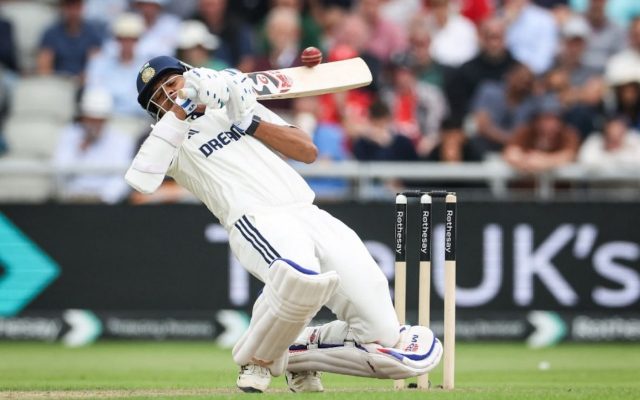
Cricket is a weird sport. I can say that because I love it. Try explaining it to an American: “So, you play for five days, stop for tea and lunch, and at the end, it might be a draw?” They look at you like you’re speaking an alien language. But for us, that duration, that ebb and flow, is exactly where the magic lies.
It’s a test of character as much as skill. That’s why we call it a “Test.”
At Cricfit, we focus heavily on the physical side of things—endurance, agility, power. But as any cricketer will tell you, the body only does what the mind allows. You can be the fittest athlete on the park, but if your focus snaps after four hours in the field, you’re going to drop that catch.
Recently, I’ve started looking at the game through a different lens—the lens of analysis and prediction. It’s fascinating how closely the principles of fitness overlap with the principles of smart analysis. Both require patience, consistency, and an understanding of variables.
The Stamina of Strategy
When you look at resources like a Smart Betting Guide, you realize that predicting a cricket match isn’t about guessing who wins the toss. It’s about understanding the narrative of the game.
Take a classic Day 5 scenario. The pitch is crumbling, the ball is turning square, and the batting team needs to survive 90 overs. A casual observer sees “Bat vs Ball.” An analyst sees “Mental Fatigue vs Technical Application.”
- The Physical Toll: Bowlers in their third spell of the day drop their average speed by 5-8 kph. That fraction of a second is the difference between a boundary and a wicket.
- The Psychological Pressure: Fielders crowding the bat creating a sense of claustrophobia.
- The Conditions: How the deteriorating pitch affects the bounce.
Understanding these fitness and environmental factors gives you a massive edge. You start to see that a collapse isn’t just “bad luck”; it’s the inevitable result of physical and mental exhaustion.
Reading the Game Before It Happens
I’ve spent countless hours scrolling through ESPNcricinfo, looking at wagon wheels and pitch maps. It’s addictive. You start to see patterns. For instance, some batsmen are fitness freaks who run hard between the wickets. In a large ground like the MCG in Australia, they add 20-30 runs just by running twos that others would settle as singles.
That’s a fitness stat that directly correlates to a betting outcome (total runs).
Or consider the captaincy. A proactive captain who rotates his bowlers to keep them fresh is playing a fitness strategy. He’s managing his resources. Predicting these rotations can help you understand when a wicket is likely to fall.
The “In-Play” Rush
Modern technology allows us to engage with the game in real-time. “In-play” or live analysis is where knowledge of fitness really shines.
Imagine you’re watching a T20. The fielding team has looked sluggish in the field. Shoulders are drooping. It’s 35 degrees Celsius with high humidity. The batting team sends in a fresh, explosive hitter.
The odds might not fully reflect the physical state of the fielding team yet. But you know. You can see they are gassed. You know their reaction times are slower. That’s the moment where your understanding of the “human” element beats the algorithm.
Beyond the Boundary
It’s important to remember that cricket is more than just stats. It’s stories. It’s the story of a player coming back from injury (a massive fitness hurdle) and trying to trust their body again.
I remember watching a fast bowler return from a stress fracture. For the first few overs, he was tentative. He wasn’t hitting the crease hard. The data might say “he’s a world-class bowler,” but the eye test said “he’s scared of breaking again.”
Recognizing these nuances is what separates a true fan from a spreadsheet watcher. It’s about empathy, really. Putting yourself in the athlete’s shoes (or spikes).
Community and Debate
One of the best things about cricket is the debate. We argue about everything. Was that LBW? Should they have enforced the follow-on? Is T20 killing Test cricket?
Bringing data and analysis into these conversations elevates them. Instead of just shouting opinions, we can back them up. “Actually, he averages 55 against spin in the fourth innings, so we have a chance.”
Sites like [suspicious link removed] are great for fueling these debates with live commentary and stats. They help keep the conversation grounded in reality, even when our passions are running high.
Keeping it Fun
However, let’s not turn the game into a math exam. The joy of a cover drive, the sound of leather on willow, the collective gasp of the crowd—that’s why we watch.
Analysis and prediction should add flavor to the experience, not overpower the main dish. Whether you are using a guide to place a wager or just to sound smarter than your mates at the pub, keep it light.
Cricket is a game of glorious uncertainties. No amount of fitness data or pitch analysis can predict the sheer brilliance of a moment like Ben Stokes at Headingley. And thank god for that. Because if we could predict everything, why would we watch?
So, analyze the fitness, study the stats, check the guides, but always, always leave room for the miracle. That’s cricket.
Get the latest cricket news here, like us on Facebook, and follow us on Twitter and Instagram for more such updates.