

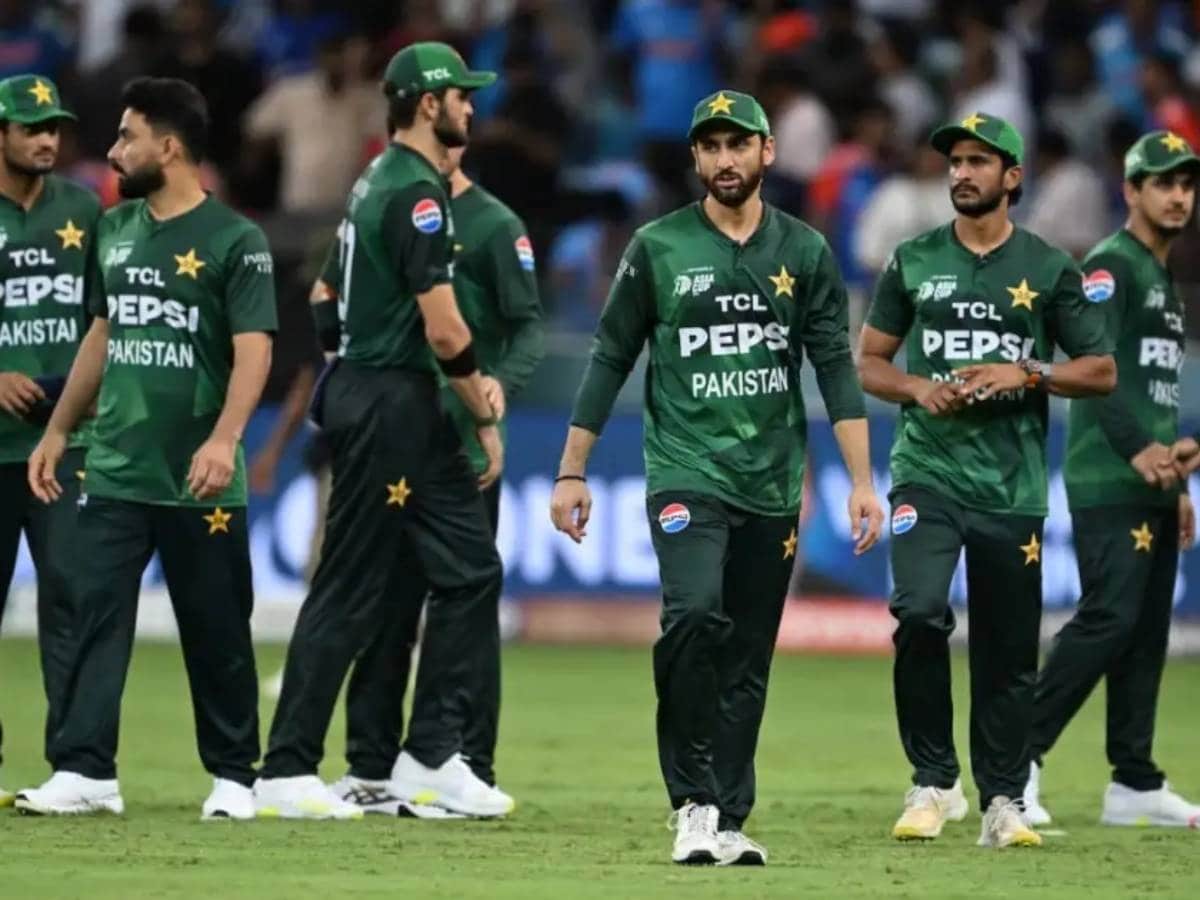
Pakistan’s participation in the ICC Men’s T20 World Cup 2026 has come under a cloud despite the squad being announced, as PCB chairman Mohsin Naqvi has not yet confirmed whether the team will take part. The uncertainty arises from Pakistan’s stance of backing Bangladesh after their matches were taken away from India during the build-up to the tournament.
Pakistan has hinted at the possibility of boycotting the event in solidarity, placing the PCB in a delicate position where political considerations are clashing with sporting obligations. The final decision is expected to come from the country’s prime minister, following ongoing discussions at the highest level. This situation is far more serious than a symbolic protest, as Pakistan is bound by legal agreements with the ICC that make withdrawal a complicated and risky move.
Financial And Sporting Consequences Of A Boycott
Pulling out of the T20 World Cup at this late stage would amount to a direct violation of the ICC Tournament Participation Agreement signed by Pakistan. Such a breach could result in heavy financial penalties, including the loss of the PCB’s annual revenue share, which is worth millions and forms a crucial part of its income. The ICC could also view the boycott as political interference in cricket and impose strong sanctions.
These may include suspension from international cricket, exclusion from future ICC and ACC tournaments such as the Asia Cup, and removal of hosting rights for upcoming global events like the 2028 Women’s T20 World Cup. Along with the immediate financial hit, Pakistan would risk long-term isolation from the global cricketing structure, worsening an already fragile economic and scheduling situation for the board.
Impact On Domestic Competitions And Cricketing Relationships
The fallout from a boycott would extend beyond international cricket and directly affect Pakistan’s domestic ecosystem. The Pakistan Super League depends heavily on overseas players, and sanctions or strained relations with other boards could lead to denial of No Objection Certificates for foreign cricketers. This would weaken the league’s quality, commercial appeal, and sponsorship value.
Additionally, missing marquee fixtures — especially high-profile clashes — would result in forfeits and further financial losses. The broader damage would be seen in reduced bilateral tours, fewer hosting opportunities, and declining influence within international cricket. The overall message is clear: while the idea of boycotting the tournament may be driven by political solidarity, the financial, sporting, and structural consequences would be severe and potentially irreversible for Pakistan cricket.
Get the latest cricket news here, like us on Facebook, and follow us on Twitter and Instagramfor more such updates