

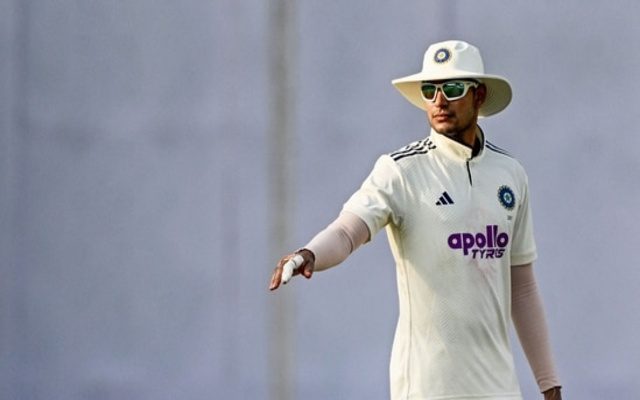
India’s young Test captain Shubman Gill shed light on his much-debated decision to enforce a follow-on during the second Test against the West Indies at the Arun Jaitley Stadium, Delhi. The move, though unusual in modern-day cricket, came after India secured a massive first-innings lead and ultimately clinched a 2-0 series sweep with a seven-wicket victory.
Despite the triumph, fans and experts questioned Gill’s call, especially since enforcing the follow-on has become a rarity due to the physical demands on bowlers.
Gill explained that the thought process was purely strategic. “We were around 300 runs ahead. We thought even if we scored like 500 runs and we have to get 6 or 7 wickets on day 5, it could be a tough day for us. So, that was the thought process,” he said at the post-match presentation. The captain believed that keeping pressure on the West Indies batsmen would yield quicker results rather than batting again on a deteriorating surface.
India’s Dominance With the Bat
After winning the toss, India made the most of the benign Delhi pitch, posting a mammoth total of 518/5 declared. Yashasvi Jaiswal (175), Sai Sudharsan (87), and Gill himself (129*) showcased stellar performances to put the hosts in complete control. Their commanding display set the tone early, forcing the West Indies onto the back foot.
In response, the visitors managed only 248 runs, falling well short of India’s total. With a lead of 273 runs, India had the option to bat again and stretch the lead beyond 500, but Gill’s decision to enforce the follow-on came as a surprise to many, especially considering that the bowlers had already delivered 81.5 overs in the first innings.
Gill Embraces Leadership Role
Despite the mixed reactions to his tactics, Gill was visibly delighted after registering his first series win as India’s Test captain. The 26-year-old acknowledged that leadership brings new challenges, especially in managing player rotations and making tactical decisions under pressure. “It’s a learning process for me, balancing workload and strategy,” he reflected.
Gill’s captaincy approach appears to emphasize aggressive intent and calculated risks—traits reminiscent of some of India’s great leaders. While the follow-on call sparked debate, the outcome ultimately vindicated his decision, as India sealed the match and series convincingly. The young skipper’s composure and willingness to back his instincts suggest that Team India’s future leadership is in confident hands.
Get the latest cricket news here, like us on Facebook, and follow us on Twitter and Instagram for more such updates.