

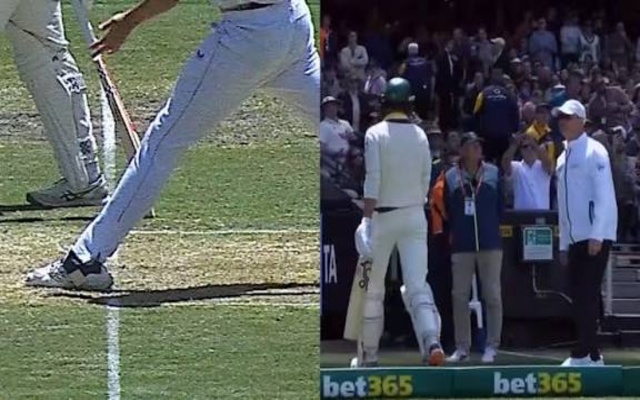
The fourth Ashes Test between Australia and England was rocked by controversy on the opening day after a disputed dismissal involving Mitchell Starc. Promoted up the batting order, Starc attempted an aggressive shot early in his innings but was caught in the field off a delivery from Brydon Carse. While the on-field umpires gave him out, replays soon sparked debate over whether the delivery should have been ruled a no-ball.
Footage appeared to show Carse’s front foot possibly landing beyond the crease, which would have invalidated the dismissal. After a brief review, the third umpire confirmed the delivery was legal, a decision that immediately divided opinion. Former Australian cricketers in the commentary box openly questioned the call, with some stating they could not see any part of the bowler’s foot behind the line. The moment quickly became a major talking point, overshadowing much of the cricket that followed.
https://twitter.com/i/status/2004401416568557982
Extraordinary Day Sees Wickets Fall In Clusters
Beyond the controversy, the match itself produced a dramatic and rare spectacle. A total of 20 wickets fell on the first day, an occurrence seldom seen in modern Test cricket. Australia, batting first, struggled against disciplined and relentless bowling from England and were dismissed for a modest total. England’s bowlers extracted significant movement from the pitch, making batting extremely challenging.
However, the advantage did not last long. When England began their reply, they too collapsed under pressure, failing to cope with Australia’s pace attack. Their innings ended quickly, leaving Australia with a useful lead by stumps. The rapid fall of wickets on both sides led many to compare the contest to Tests from a bygone era, when uncovered pitches regularly produced such dramatic collapses.
Debate Grows Over Pitch And Officiating Standards
As the day ended, discussions extended beyond the scorecard. Several experts and former players raised concerns about whether the pitch provided a fair balance between bat and ball. While some argued that challenging conditions are part of Test cricket’s charm, others felt the surface offered too much assistance to bowlers. The no-ball controversy further intensified scrutiny of umpiring standards, especially in high-profile series like the Ashes.
Fans expressed mixed reactions, with many enjoying the drama while others felt the focus shifted away from the players’ performances. With the series already leaning in Australia’s favour, the incident added another layer of intrigue, ensuring that the fourth Test will be remembered not just for the number of wickets, but also for the decision that sparked widespread debate.
Get the latest cricket news here, like us on Facebook, and follow us on Twitter and Instagram for more such updates.