

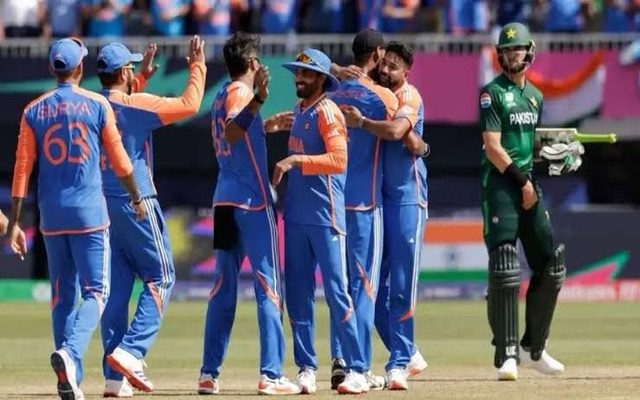
In light of escalating hostilities along the India-Pakistan border, the Board of Control for Cricket in India (BCCI) is reportedly considering a significant move to isolate Pakistan on the cricketing front. Historically, the two countries have refrained from engaging in bilateral series, and now the strained political environment threatens their participation in multi-nation tournaments as well.
With a Pakistani minister, Mohsin Naqvi, heading the Asian Cricket Council (ACC), the BCCI is reportedly set to withdraw from the 2025 Asia Cup.
This decision is seen as a firm political stance in response to the ongoing tensions. A senior BCCI official was quoted by Indian Express, stating that India cannot take part in a tournament administered by someone from Pakistan, given the prevailing national sentiment. The Indian cricket board has already conveyed its intent to skip the upcoming Women’s Emerging Teams Asia Cup and may reconsider its presence in future ACC events too.
Financial Impact and Strategic Repercussions
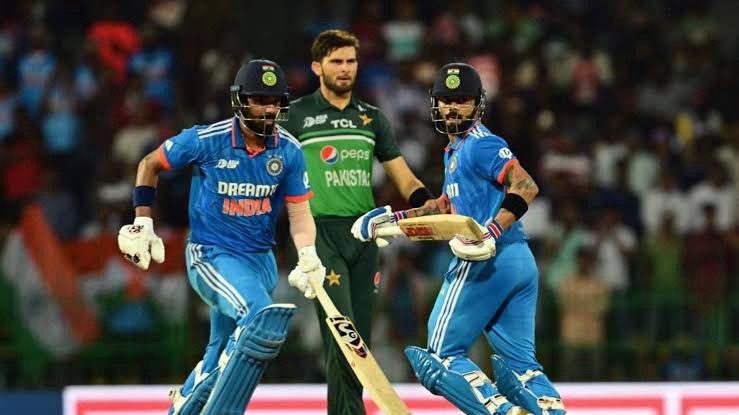
The potential pullout by India would be a major blow to the Asia Cup, both financially and strategically. While countries like Sri Lanka, Bangladesh, and Afghanistan also benefit from the tournament, the marquee India vs Pakistan clash is the primary driver of revenue and global viewership. The tournament’s commercial value would plummet with India’s withdrawal, especially since most sponsors and broadcasting revenues stem from the Indian market.
In 2024, Sony Pictures Networks India (SPNI) secured media rights for the Asia Cup for a staggering $170 million. The deal’s viability is now in question, as a tournament without Indian participation may lead to a complete overhaul of the agreement or even its cancellation. The situation also places the ACC, currently led by Naqvi and indirectly influenced by Pakistan, in a financially vulnerable position.
India’s Influence on Regional Cricket Politics
The BCCI’s stance highlights its significant influence over regional cricket politics. The governing body’s willingness to forego participation in a major continental event underscores its strong opposition to Pakistan’s growing presence in cricket administration. The 2023 Asia Cup, hosted through a hybrid model, saw India lift the trophy in Colombo while Pakistan failed to reach the final.
However, with political considerations overshadowing sporting interests, the future of such tournaments appears uncertain. The current anti-Pakistan mood in India complicates any prospects of cricketing engagement, making it likely that the BCCI will continue to distance itself from Pakistan-led events, thereby reshaping the dynamics of Asian cricket in the coming years.
Get the latest cricket news here, like us on Facebook, and follow us on Twitter and Instagram for more such updates.