

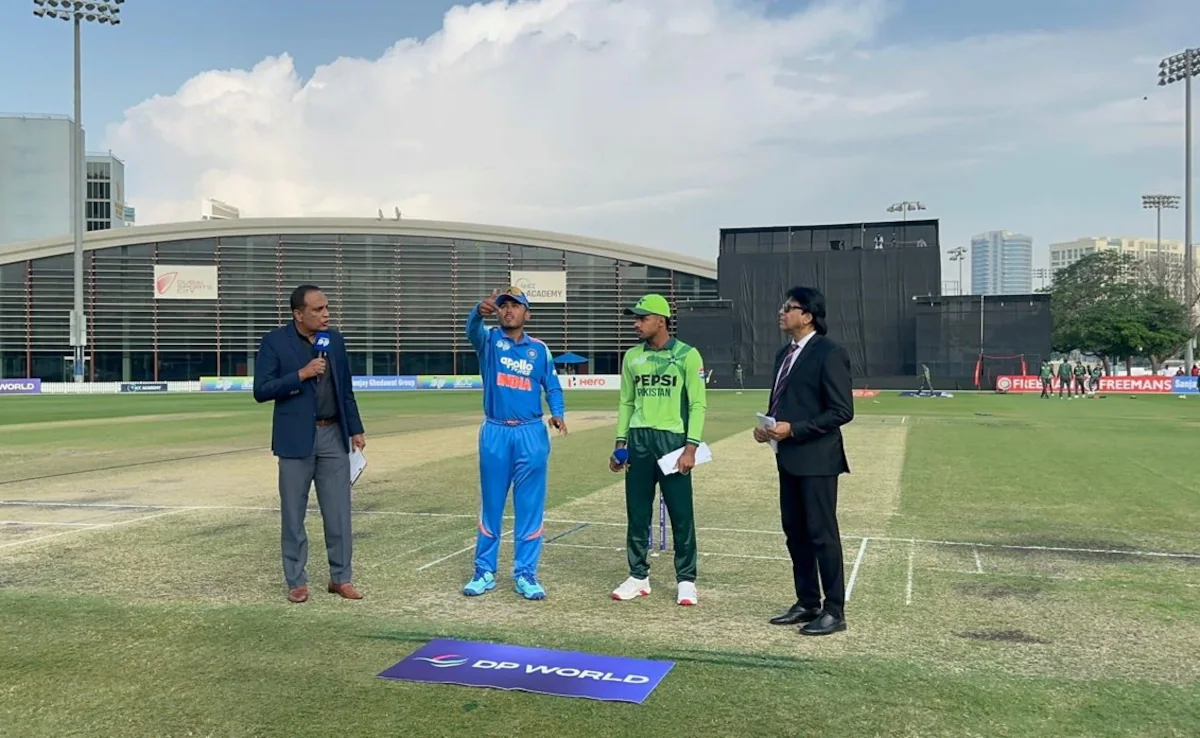
The Indian Under-19 cricket team remained steadfast in its decision to follow a no-handshake policy against Pakistan during their U19 Asia Cup 2025 encounter, even amid reports of an intervention from the International Cricket Council (ICC).
According to media reports, the ICC had allegedly urged both teams to engage in customary post-match handshakes, stressing that political tensions should not spill over into age-group cricket.
However, India chose to continue with its long-standing stance, reflecting a broader approach adopted by Indian teams across multiple levels over the years.
The incident gained attention when Indian captain Ayush Mhatre did not shake hands with Pakistan skipper Farhan Yousaf after the toss. This moment mirrored previous instances in senior and junior tournaments where Indian players avoided on-field handshakes with Pakistan, adhering to the board’s established protocol rather than altering conduct for a single event.
BCCI’s Position and Internal Communication
A Board of Control for Cricket in India (BCCI) official clarified that players were not directly instructed on how to behave during the match, but the team management was made aware of the board’s position well in advance. The official added that the team manager had been briefed, and if India opted against handshakes, the match referee would be informed beforehand to avoid confusion or disciplinary issues.
This approach, according to sources, ensures transparency with match officials while allowing players to focus solely on the game. The BCCI has consistently maintained that its teams will follow board-approved guidelines in fixtures involving Pakistan, regardless of whether the match is at the senior, junior, or women’s level.
Balancing Cricket and Broader Sensitivities
The ICC’s reported request was rooted in the desire to keep junior cricket free from political symbolism, especially at the developmental level where players are still growing into the international system. However, India’s response highlights how cricket often intersects with broader diplomatic and administrative considerations beyond the boundary lines.
While the U19 Asia Cup is meant to promote sportsmanship and regional camaraderie, India’s continuation of the no-handshake policy underlines the consistency of its stance rather than a reactionary move. The decision sparked discussion among fans and analysts, once again emphasizing how India-Pakistan encounters remain uniquely sensitive, regardless of age group or format.
In the end, the match proceeded without incident on the field, but the off-field gesture — or lack thereof — ensured that the spotlight remained firmly on the ongoing dynamics between cricketing protocol, administrative decisions, and international relations.
Get the latest cricket news here, like us on Facebook, and follow us on Twitter and Instagram for more such updates.