

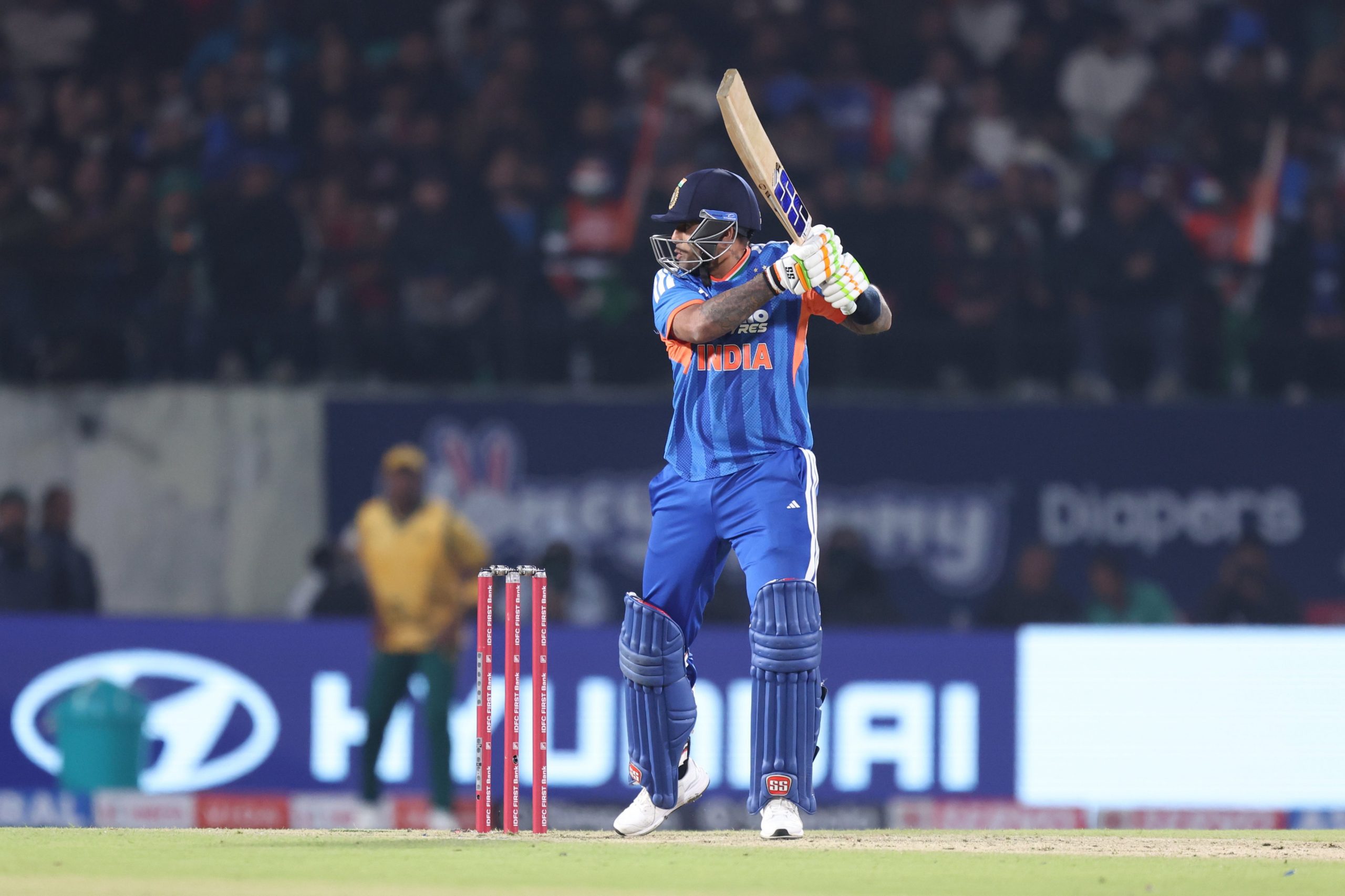
In the fifth T20 International between India and New Zealand at Thiruvananthapuram, Ishan Kishan was given the role of wicketkeeper in place of Sanju Samson, which generated plenty of chatter among fans and analysts.
India captain Suryakumar Yadav recently addressed the decision after the match, making it clear that it wasn’t a sudden tactical switch or a reaction to past performances, but rather part of a broader plan the team had agreed upon before the series began.
Yadav explained that with regular wicketkeeper Tilak Varma unavailable due to injury, the management had opted to share wicketkeeping responsibilities between Samson and Kishan across the five matches. “I think both the keepers were playing since game one as Tilak was not available. So, we had decided before the series that three games would be kept by Sanju Samson and two games would be kept by Ishan,” Yadav said at the post-match press conference. This plan meant Samson was earmarked to keep wickets in the first three games, while Kishan would take over in the last two.
Match Performance: Roles and Contributions
In the final game, Kishan donned the gloves as planned and delivered with the bat, scoring a century that greatly contributed to India’s commanding total against New Zealand. His performance helped underline his potential value to the team not just as a specialist batter but as a keeper-batter option heading into future tournaments. Samson, on the other hand, played purely as a batter in that game and was dismissed for a quick six off six balls, which intensified discussions around his role.
Yadav also noted Kishan had missed the previous match due to a minor niggle but would “anyway was going to keep wickets in this match,” underscoring that there was no spontaneous decision involved.
Captain’s Perspective: Team Balance and Options
While addressing media, Yadav emphasised that the team did not want Kishan to change his natural game, considering him a “game-changer” whose aggressive batting could shift momentum quickly. This explanation reflects the broader idea that the Indian setup is exploring flexible combinations in the lead-up to major events like the T20 World Cup.
Overall, the decision to rotate wicketkeepers was framed as a strategic, pre-planned move, not a reaction to individual shortcomings — highlighting India’s focus on experimentation and balance within the squad.
Get the latest cricket news here, like us on Facebook, and follow us on Twitter and Instagram for more such updates.