

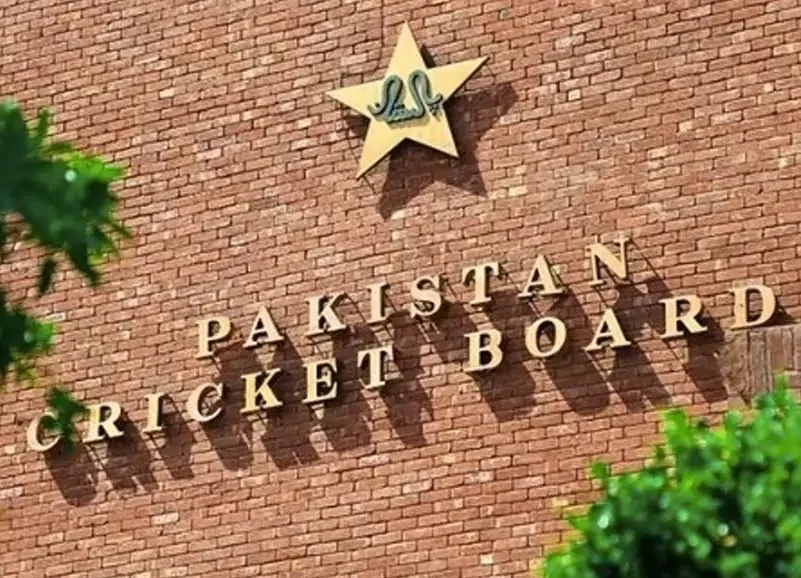
During the lead-up to the 2025 ICC Champions Trophy, tensions grew between the Pakistan Cricket Board (PCB) and the Board of Control for Cricket in India (BCCI) over India’s participation in the tournament. India informed the International Cricket Council (ICC) that its team would not travel to Pakistan for the matches, saying the Indian government had refused permission for the team to tour there, which meant India’s fixtures were shifted to neutral venues like Dubai.
According to media reports, Pakistan’s cricket administrators took issue with how that explanation was handled by both the ICC and BCCI. PCB officials argued that “BCCI didn’t show [the] government’s letter” formally to either the ICC or the PCB itself, implying that a written government directive asserting travel denial had not been produced during negotiations about the tournament’s schedule and location. This claim became part of the broader controversy over how communications were managed between the boards and the global governing body.
PCB’s Claims About Communication and Transparency
The PCB’s contention centered on procedural transparency. According to its perspective, if India was truly prevented from traveling to Pakistan due to government security concerns, “it was mandatory on the BCCI to provide that letter to the ICC” — and by extension, make sure the PCB was aware of this, so they could plan accordingly.
This argument reflects frustration within the Pakistan board over how quickly the hybrid arrangement (where India would play outside Pakistan) became a default solution, rather than being discussed and formally documented between all parties well in advance.
PCB critics questioned whether India’s rationale was properly substantiated, especially given that cricket boards and governments rarely travel across diplomatic tensions without official notice. The claim that the BCCI failed to produce the government’s written refusal of permission — a document at the heart of India’s refusal to tour — was emphasised as a central grievance by the PCB.
Reactions and Broader Implications
The exchange underscored a deeper rift beyond cricket scheduling. For the PCB, the absence of formal documentation deepened mistrust and prompted calls for clearer governance standards from the ICC, particularly when high-profile tournaments intersect with geopolitical concerns. The board’s stance suggested that communication breakdowns not only complicated event planning but also affected perceptions of fairness and respect within the international game.
Meanwhile, the BCCI maintained that decisions were bound by government policy on security, and the ICC acted as the intermediary in informing the host board and determining match arrangements. This episode highlighted how administrative disagreements can amplify sporting rivalries, especially in events involving traditional rivals under fraught political contexts.
Get the latest cricket news here, like us on Facebook, and follow us on Twitter and Instagram for more such updates.