

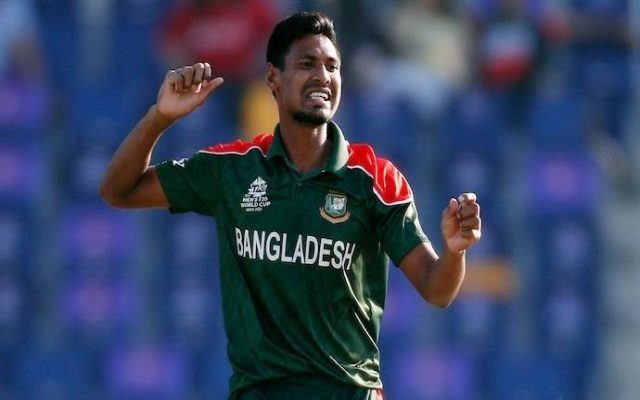
The Board of Control for Cricket in India (BCCI) has publicly responded to the growing controversy surrounding the participation of Bangladeshi pacer Mustafizur Rahman in the upcoming Indian Premier League (IPL) 2026, emphasising that it has not received any official instructions from the Indian government regarding a ban or restriction on players from Bangladesh.
A BCCI source told the Indo-Asian News Service (IANS) that the board has “not received any communication from the government directing us to prevent Bangladesh players from participating in the IPL,” and that without such a directive, the BCCI’s hands are tied. The official reiterated that “it is not in our hands” and declined to comment further, underlining that the board is awaiting any possible government guidance before considering action.
This clarification comes amid an intense public debate triggered by Rahman’s selection and reflects the BCCI’s effort to distance itself from political or diplomatic pressures while affirming its current stance.
The Origin of the IPL Debate
The furore began after Rahman became the costliest Bangladeshi cricketer in IPL auction history, when Kolkata Knight Riders (KKR) secured his services for ₹9.20 crore during the recent mini-auction. His signing generated a widespread discussion because of reported incidents of violence against religious minorities in Bangladesh, particularly Hindus, which some critics believe should influence his involvement in a league as prominent as the IPL.
Critics — including religious figures and some political leaders — have argued that Rahman’s inclusion is insensitive given the broader socio-political context. This sentiment has led to calls for reconsideration of his participation, blending sports management with public opinion and political commentary.
Reactions and Broader Implications
Beyond the administrative clarification from the BCCI, reactions have been mixed. Some voices contend that sports and politics should remain separate, noting that decisions about player participation ought not to be shaped by external controversies.
Supporters of this view argue that cricket leagues like the IPL should uphold merit-based selections and respect international player involvement regardless of their national origin. Others, however, have taken a vocal stance against Rahman’s participation, urging bans and raising broader questions about national sentiment.
The BCCI’s statement — grounded in the lack of government communication — leaves the situation unresolved for now, but the controversy underscores how sports decisions in major leagues can quickly evolve into wider socio-political debates. It also highlights the delicate position cricket administrators occupy when navigating public pressure and international sporting relationships.
Get the latest cricket news here, like us on Facebook, and follow us on Twitter and Instagram for more such updates.